Preparing Students for a Future That Has Already Begun
Technology is no longer shaping only industries—it is transforming classrooms, careers and the way children learn.
Artificial Intelligence is changing how businesses operate. Automation is redefining workplaces. Digital innovation is accelerating at an unprecedented pace.
Yet in many classrooms, students are still being prepared for a world that no longer exists.
This raises an important question for educators and school leaders:
Are we teaching children to memorise information, or are we preparing them to solve the challenges of tomorrow?
The answer lies not in replacing traditional education, but in enhancing it with meaningful, hands-on learning experiences.
One of the most impactful ways schools are doing this today is through robotics education.
Robotics Is More Than Building Robots
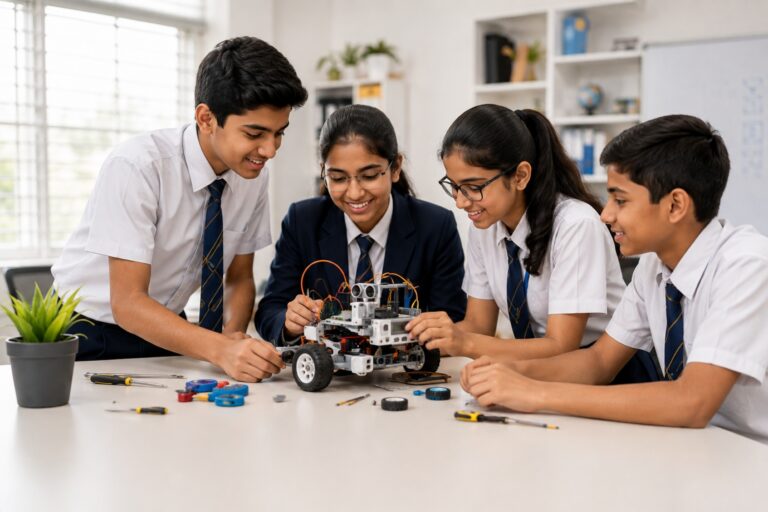
One of the biggest misconceptions surrounding robotics education is that it is only about assembling machines or learning programming languages.
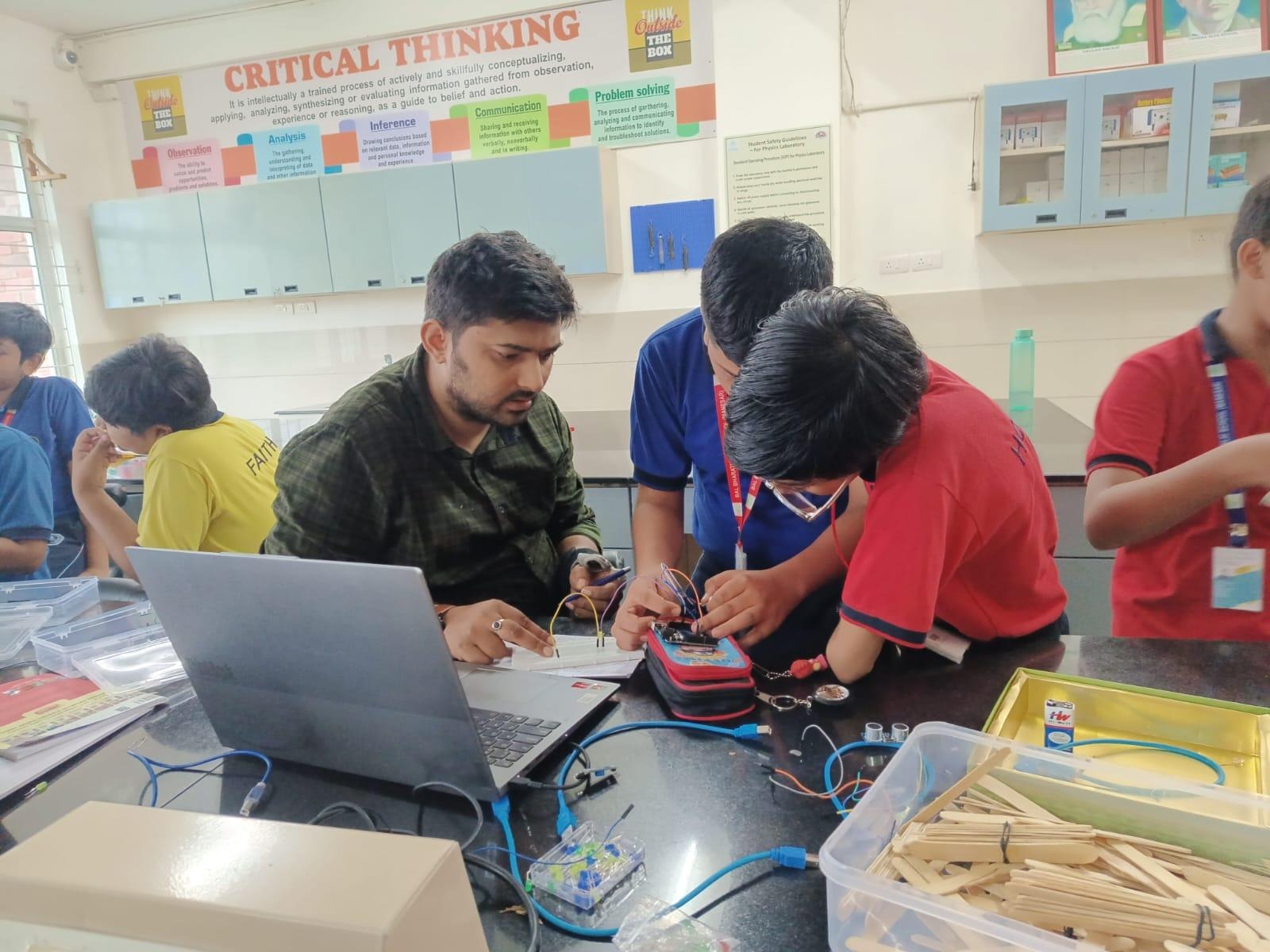
In reality, robotics is a multidisciplinary learning approach that combines science, technology, engineering, arts and mathematics while encouraging students to think critically, collaborate effectively and apply classroom concepts to real-world situations.
When students build and program a robot, they aren’t simply learning technology.
They are learning how to:
- analyse problems logically
- test multiple solutions
- work collaboratively
- communicate ideas
- think creatively
- persevere through failure
- transform ideas into practical outcomes
These are lifelong competencies that extend far beyond the classroom.
The Skills That Tomorrow’s Workforce Will Demand
Across industries, employers consistently value individuals who can think independently, solve complex problems and adapt to rapid technological change.
While technical knowledge remains important, future success increasingly depends on skills such as:
- Critical Thinking
- Creativity
- Communication
- Collaboration
- Digital Literacy
- Computational Thinking
- Adaptability
- Leadership
- Innovation
Interestingly, these are the same competencies students naturally develop through well-designed robotics programmes.
Rather than passively consuming information, learners become active creators, designers and innovators.
Robotics Supports the Vision of the National Education Policy (NEP 2020)
India’s National Education Policy 2020 encourages schools to move beyond rote memorisation and embrace experiential, multidisciplinary and competency-based learning.
Robotics aligns naturally with these objectives.
It enables students to:
- learn by doing
- integrate multiple subjects into one project
- explore design thinking
- strengthen analytical reasoning
- connect theoretical concepts with practical application
Instead of studying isolated chapters, students experience how mathematics, science and technology work together to solve meaningful problems.
This is the essence of experiential learning.
Why Schools Are Investing in Robotics Education
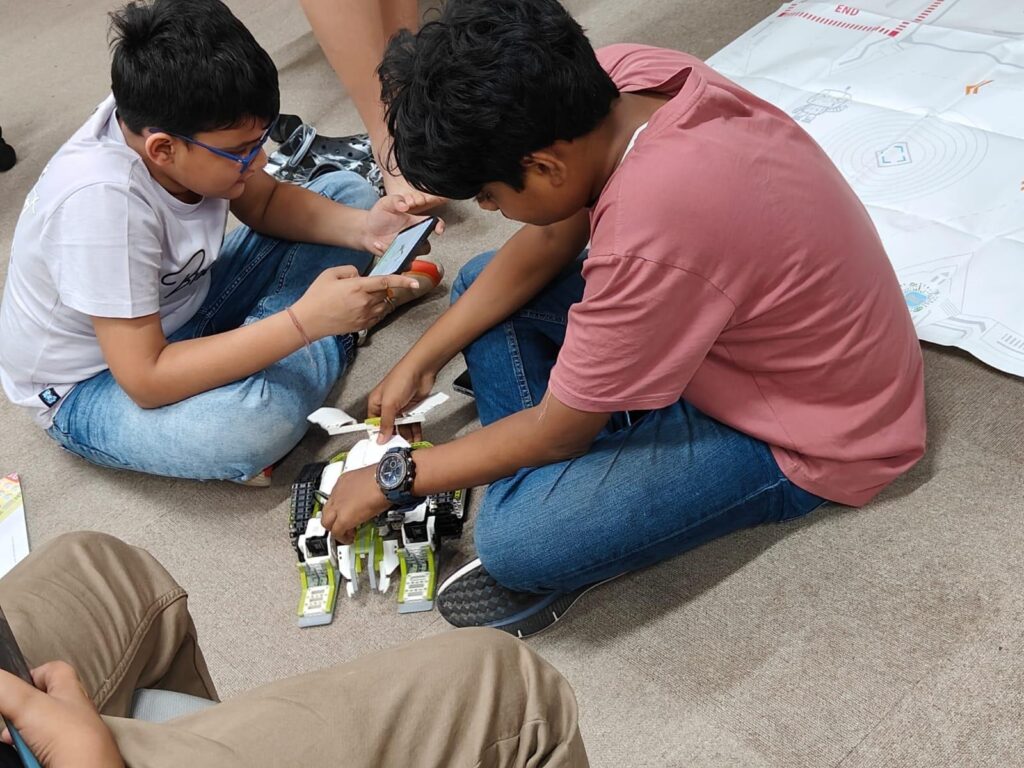
Progressive schools are increasingly recognising that robotics is no longer an extracurricular activity—it is becoming an essential component of future-ready education.
Schools adopting robotics programmes often observe improvements in:
Student Engagement
Hands-on learning naturally increases curiosity and classroom participation.
Students become active learners instead of passive listeners.
Problem-Solving Ability
Robotics projects require students to identify challenges, test ideas, analyse failures and improve their solutions.
This iterative process develops resilience and structured thinking.
Collaboration
Few robotics activities are completed individually.
Students work together, assign responsibilities, exchange ideas and learn the importance of teamwork.
Confidence
Successfully building and presenting a working project gives students confidence in their abilities and encourages independent thinking.
Innovation Culture
Schools that embrace project-based learning often create an environment where experimentation is encouraged rather than feared.
Students become comfortable asking questions, exploring possibilities and developing original ideas.
Technology Should Support Learning—Not Replace It
Introducing robotics into schools should never be viewed as simply adding another subject.
The real objective is not to produce future programmers.
It is to develop future thinkers.
Technology should serve as a learning tool—not the final destination.
When robotics is integrated thoughtfully into the curriculum, it becomes a medium through which students develop creativity, curiosity and confidence.
The emphasis shifts from “using technology” to “creating with technology.”
This distinction is what transforms robotics education into meaningful education.
The Role of Educators in a Robotics-Enabled Classroom
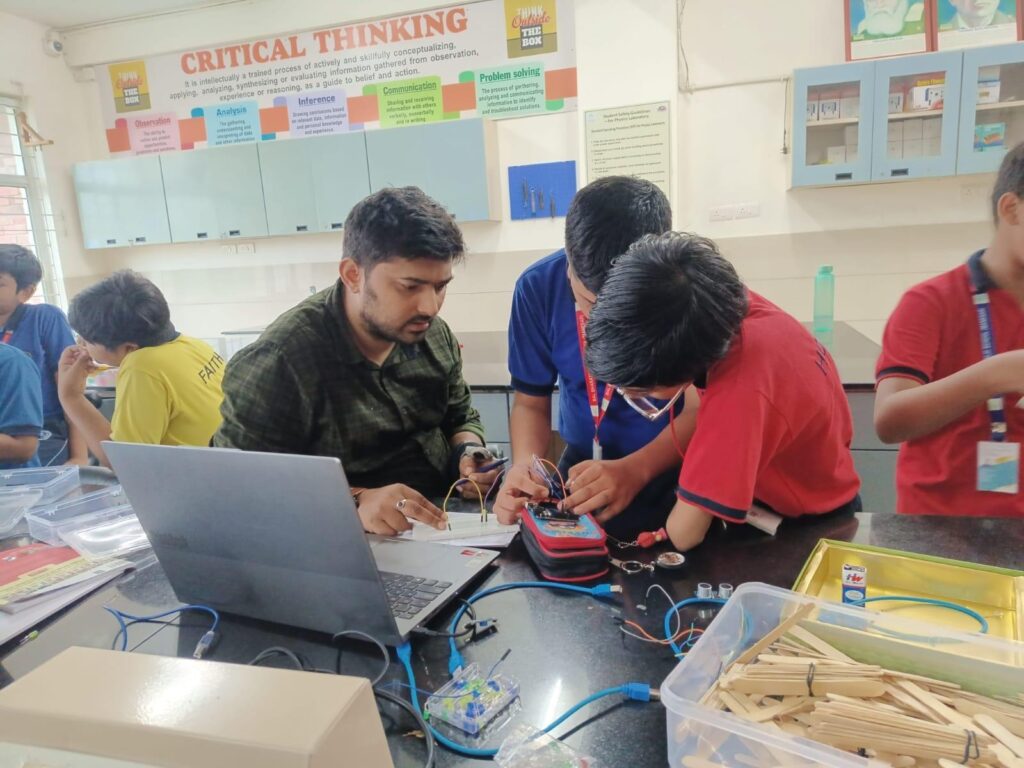
Even the most advanced robotics lab cannot create meaningful learning without passionate educators.
Teachers remain the driving force behind successful innovation.
Their role is evolving from delivering information to facilitating exploration.
Modern classrooms require educators who encourage questions, support experimentation and guide students through problem-solving rather than simply providing answers.
This shift creates more engaged learners and stronger educational outcomes.
Preparing Students for Careers That Do Not Yet Exist
According to multiple global workforce reports, many of the careers today’s students will pursue have either evolved dramatically or do not yet exist.
Rather than preparing students for specific job titles, schools must prepare them with adaptable skills that remain valuable regardless of industry changes.
Robotics education helps build exactly those transferable competencies.
Students learn to observe, analyse, design, create, evaluate and improve.
These abilities remain relevant whether they become engineers, doctors, entrepreneurs, scientists, designers or business leaders.
A Future-Ready School Begins with a Future-Ready Mindset
The schools that will shape tomorrow’s innovators are not necessarily those with the most advanced infrastructure.
They are the institutions that encourage curiosity, experimentation and continuous learning.
Robotics is not about replacing traditional education.
It is about enriching it.
It provides students with opportunities to connect theory with practice, ideas with innovation and knowledge with purpose.
The future of education belongs to schools that empower students to create rather than simply consume technology.
And that future has already begun.
Our Opinion
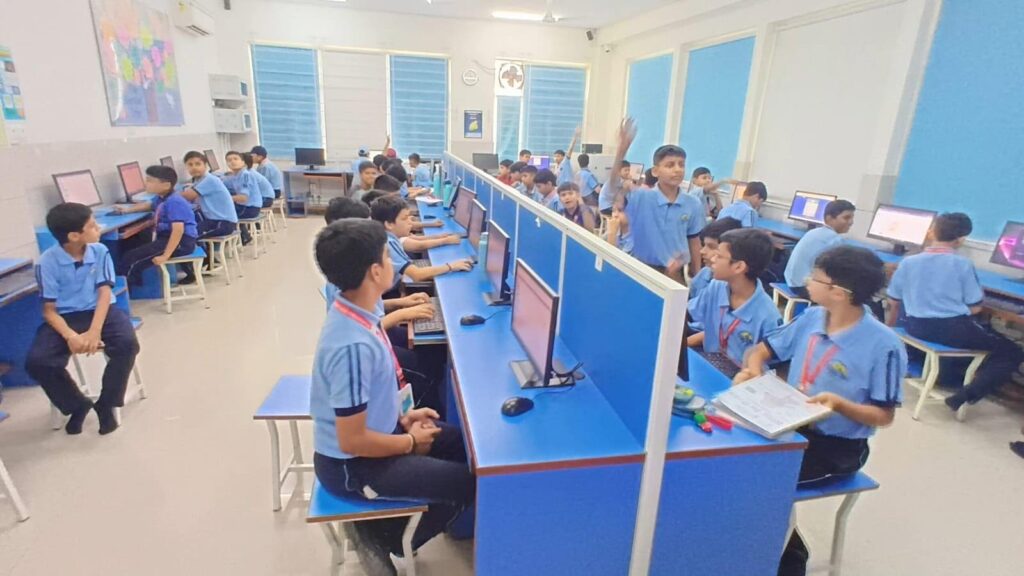
The conversation around robotics in education should no longer focus on whether schools need it.
The more meaningful question is:
How can schools integrate robotics and experiential learning in ways that genuinely improve student outcomes?
As educators, institutions and industry partners work together, robotics can become more than a subject—it can become a catalyst for nurturing curiosity, creativity and lifelong learning.
The students we educate today will solve the challenges of tomorrow.
It is our responsibility to equip them with the skills to do so.